
Most flooring decisions begin with the surface because people notice the color, the texture, and the way the room feels when the floor is new, but that is only the first part of the decision.
The floor is not tested in the showroom; it is tested at home after people start walking on it every day, cleaning it every week, and expecting it to handle water, heat, movement, and regular use without becoming a problem.
This is why understanding the pros and cons of vinyl flooring matters before choosing it for your home.
Vinyl can be practical, stylish, and easy to maintain when the right product is used in the right room, but the same floor is not the right answer for every space.
The better question is not whether vinyl flooring is good, but whether it is good for this room, under these conditions, and with this installation system.
In this article, we will look at the pros and cons of vinyl flooring in a clear way, including its benefits, limitations, bathroom use, expected lifespan, cost factors, and installation methods, so you can make a better decision before the floor is installed.
Why Vinyl Flooring Became a Practical Choice?
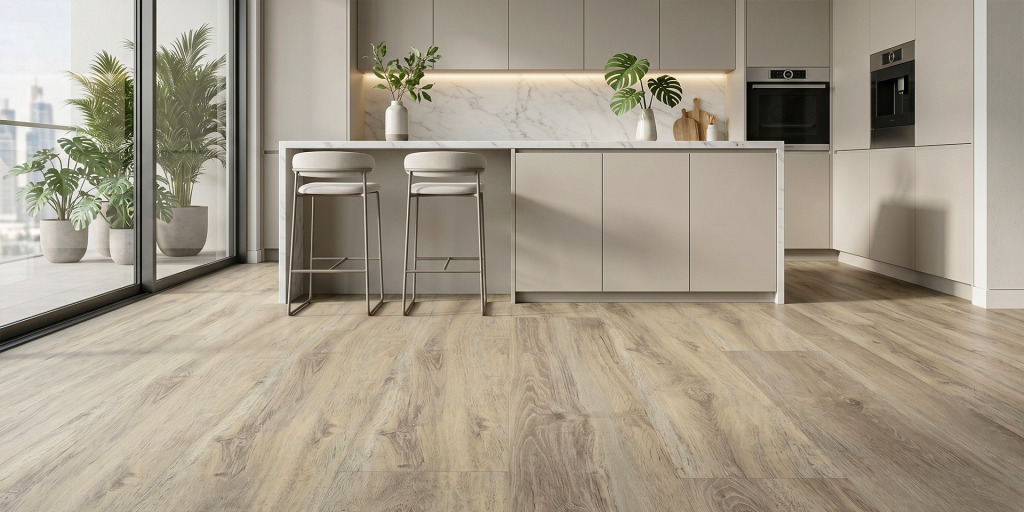
Vinyl flooring became a practical choice because it solves a simple problem: people want a floor that looks good without becoming difficult to live with.
A floor is not only a design element, but it is part of the daily routine of a home; it gets walked on, cleaned, moved across, and tested in small ways every day, and this is where the pros and cons of vinyl flooring begin to matter.
The advantage of vinyl is that it can offer the look of natural materials while staying easier to maintain than many traditional options. It can also work well in spaces where moisture is part of the decision, as long as the product specification supports that use.
That distinction matters in Flooring Dubai, because a good floor is not the one that looks best for a moment, but the one that keeps making sense after daily life begins.
Benefits of Vinyl Flooring
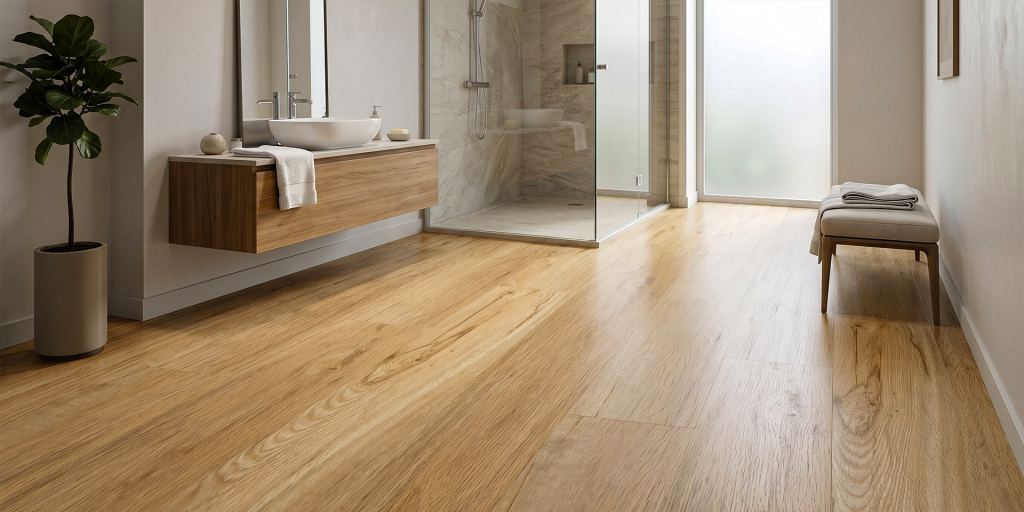
Most people notice the appearance first, but the real value of vinyl flooring usually appears later, after the room starts handling daily life.
A good floor reduces friction. It should be easy to clean, comfortable to live with, and practical enough that people stop thinking about it after installation. This is one reason the pros and cons of vinyl flooring should be judged over time, not in the showroom.
Some of the most practical benefits include:
- Vinyl flooring can imitate the look of wood or stone while remaining easier to maintain than many natural materials
- Many vinyl products are designed for moisture-prone spaces, such as kitchens and bathrooms, when the product specification supports that use
- Some LVT systems use click-lock installation without adhesives, which can simplify the installation process
- Vinyl flooring is commonly chosen for both residential and commercial spaces because it balances appearance with practicality
- Regular maintenance can be simple, including sweeping and cleaning with a damp cloth when recommended by the manufacturer
The important point is not only the Benefits of Vinyl Flooring, because most materials have benefits, but the real question is whether those benefits match the way the room will actually be used, and that is where the decision becomes more useful than the sample itself.
Disadvantages of Vinyl Flooring
Every flooring material has limits, and vinyl flooring is no different. The important point is not to avoid the material because of those limits, but to choose the right quality, the right specification, and the right installation system from the beginning.
Most vinyl flooring problems usually come from three things: a low-quality product, poor installation, or choosing a floor that does not suit the room conditions.
Some common disadvantages of vinyl flooring include:
- Some vinyl products are water-resistant, not fully waterproof
- Lower-quality vinyl may lose its realistic look faster than premium options
- Direct heat and sunlight can affect some products if they are not made for demanding conditions
- Water can still cause problems if it reaches beneath the flooring
- Poor installation can shorten the floor’s life and reduce its performance
This is where Floorna makes the difference, because we do not treat vinyl flooring as one standard product for every room; we help you choose high-quality vinyl flooring that suits your space, your usage, and the conditions inside the room.
Floorna offers premium vinyl flooring options designed to handle daily movement, moisture exposure, heat, and demanding indoor use, while our installation process helps protect the floor, improve stability, support better water resistance, and give the flooring a longer service life.
So the real question is not whether vinyl flooring has disadvantages; every flooring material does. The better question is whether you are choosing the right vinyl floor from the right flooring company.
With Floorna, vinyl flooring becomes a practical, stylish, and long-lasting choice for homes, offices, and commercial spaces.
Lifespan, Cost, and Installation
Most people ask how long a floor lasts because they want to know if the decision will still feel right later.
The lifespan of Luxury Vinyl flooring depends on the product, the installation quality, and the conditions inside the room, and this becomes even more important when choosing Waterproof Vinyl Flooring for kitchens, bathrooms, or moisture-prone spaces. Some well-maintained vinyl floors can last between 10 and 20 years, but the result depends on using the right product in the right space.
Conclusion
Most flooring mistakes happen before installation, not after it.
They happen when people choose based on appearance alone.
The pros and cons of vinyl flooring become clearer when the focus shifts from the sample to the space itself. The right floor depends on the room, the moisture level, the installation system, and the way the floor will be used every day.
A good flooring decision is not the one that looks best for a moment. It is the one that still makes sense after daily life begins. Benefits of Vinyl Flooring
Frequently Asked Questions
Is vinyl flooring waterproof?
Some vinyl flooring products are waterproof, while others are only water-resistant. The difference depends on the product build-up and technical specification, which is why buyers should confirm the exact product details before installation.
Is vinyl flooring suitable for bathrooms?
Vinyl flooring can work well in bathrooms when the product is designed for moisture-prone spaces and installed correctly. This is why understanding the pros and cons of vinyl flooring for bathrooms matters before choosing a product.
How do you clean vinyl flooring properly?
Most vinyl floors are designed for simple maintenance. Regular sweeping and cleaning with a damp cloth are commonly recommended, but buyers should always follow the manufacturer’s care instructions for the specific product.
How is vinyl flooring installed?
Installation depends on the flooring system. Some products use glue-down installation, while some LVT systems use click-lock installation without adhesives.
Who should help you choose the right vinyl flooring?
A good flooring company should help you compare product types, installation systems, and room conditions before making a decision. If you want to explore product categories and installation options, visit Best Vinyl Flooring Company in Dubai